
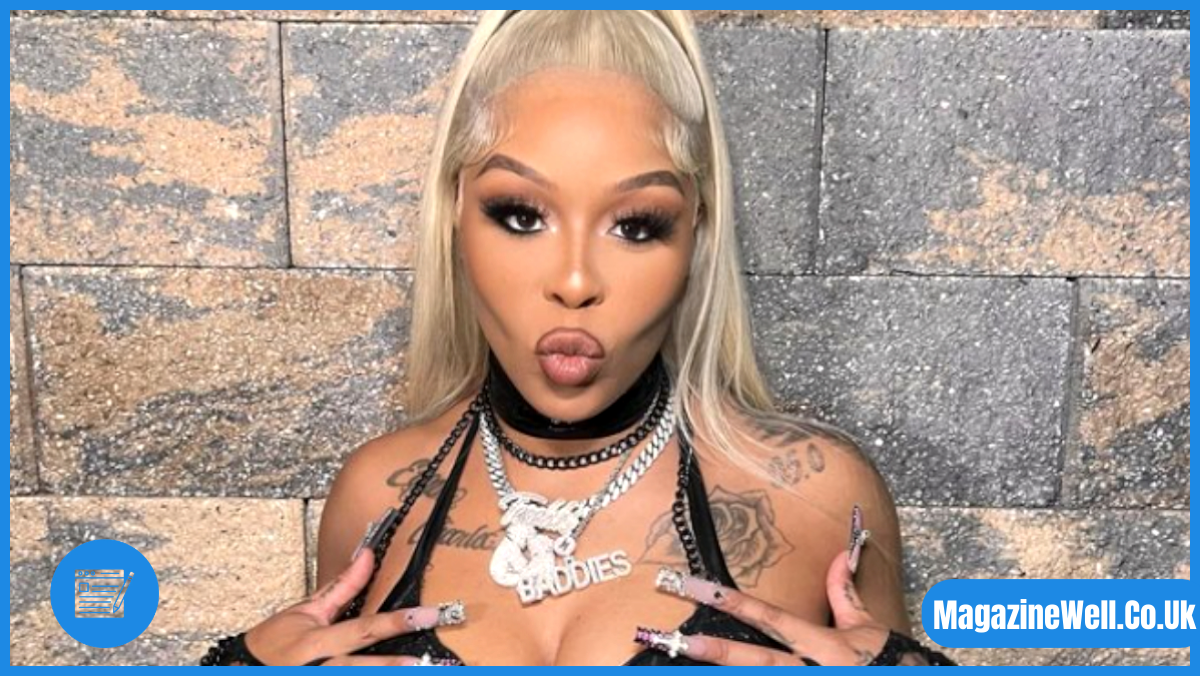
The keyword “tesehki age” has recently started appearing in search queries, online discussions, and curiosity-driven forums. Yet, when you look for clear and authoritative information, the details often seem scattered or vague. That is exactly why this article exists—to break down the concept in a structured, expert-informed, and easy-to-understand way.
In this in-depth guide, we will explore what tesehki age means, why people are searching for it, the possible interpretations behind the term, and how age-related discussions tied to unique or emerging keywords should be evaluated responsibly. Let’s dive in.
What Does “Tesehki Age” Actually Mean?
The first and most important step is understanding the term itself. “Tesehki age” does not appear in traditional dictionaries, medical textbooks, or historical records. This suggests that it may be one of the following:
-
A name-based search (possibly referring to a person named Tesehki).
-
A trending social media personality or digital figure.
-
A newly emerging online term.
-
A misspelling or phonetic variation of another name.
When people search for someone’s age online, they are typically looking for biographical information. Age often becomes a point of interest when the individual has achieved something notable at a young age or maintained a strong public presence over time.
In many cases, search trends for phrases like “tesehki age” are driven by curiosity. Audiences want context. Age provides perspective—it helps people understand achievements, career timelines, and life stages. That curiosity is natural, but it also needs to be approached responsibly.
Why Are People Searching for Tesehki Age?
Search behavior reveals a lot about what people care about. When a keyword like “tesehki age” trends, it usually follows increased visibility of the individual online.
Social Media Influence
In today’s digital landscape, platforms like TikTok, Instagram, and YouTube rapidly turn individuals into public figures. If someone named Tesehki gained viral attention—whether for entertainment, commentary, fashion, gaming, or lifestyle—viewers naturally start searching for background details, including age.
Age can shape audience perception. For example, if someone demonstrates high-level skill, people may be surprised to learn they are very young. Conversely, maturity and wisdom can spark curiosity about how long someone has been active in their field.
Public Recognition and Media Exposure
Whenever someone appears in interviews, collaborations, or digital campaigns, searches increase. The term “tesehki age” may simply reflect growing interest in understanding the timeline of this person’s career or life.
Curiosity About Life Stages
Age connects directly to life stage discussions—education, career beginnings, personal growth, and social influence. People often use age as a reference point to compare their own journey with someone they admire.
However, it is important to emphasize that not all personal information is always publicly confirmed or officially verified. Responsible content creation means acknowledging uncertainty when facts are not documented.
Why Age Matters in Public Profiles
Age is more than just a number when it comes to public perception. It influences how audiences interpret experience, maturity, and credibility.
Career Milestones and Achievements
If someone achieves something impressive at a young age, it often increases admiration. Early success can indicate talent, discipline, or opportunity. On the other hand, long-term dedication in later years can signal resilience and consistency.
Understanding tesehki age (if publicly available) would help audiences place achievements into context. Without confirmed data, however, it is important not to speculate.
Cultural and Generational Influence
Age also determines generational alignment. For example, Gen Z creators often connect strongly with younger audiences through shared trends, humor, and communication styles. Millennials may resonate differently depending on cultural references and lifestyle experiences.
If Tesehki is a digital creator, age might influence content style, language, and relatability.
Privacy Considerations
While curiosity is normal, it is essential to remember that age is personal information. Public figures may choose to share it, but private individuals deserve privacy. Ethical reporting always prioritizes confirmed, voluntarily shared information.
How to Verify Age Information Responsibly
One major issue with trending keywords like “tesehki age” is misinformation. Online speculation spreads quickly, and once a number is repeated enough times, people assume it is accurate.
Here are responsible steps to verify age-related details:
1. Look for Official Sources
Reliable sources include:
-
Verified social media accounts
-
Official interviews
-
Public biographies
-
News publications
If age information is not directly stated by credible sources, it is better to acknowledge the lack of confirmed data rather than guess.
2. Avoid Forum-Based Assumptions
Online forums and comment sections often contain speculation. While these discussions may seem convincing, they are not reliable without evidence.
3. Check for Consistency
If multiple trusted sources confirm the same birth year or age, the information is more likely to be accurate. Inconsistent reports usually indicate uncertainty.
The Broader Conversation Around Age Curiosity
The popularity of searches like “tesehki age” reflects something deeper about internet culture. We are naturally drawn to personal stories. Age helps frame those stories.
Age as a Benchmark
People use age as a benchmark for measuring success. Someone starting a business at 19 feels different from someone starting at 45. Both are impressive, but the narrative changes.
Social Comparison
Search trends often reveal subconscious comparison. Viewers may wonder, “Am I ahead? Am I behind?” This mindset can be motivating—but it can also create unnecessary pressure.
It is important to remember that success timelines vary widely. Age does not define capability or worth.
Digital Identity vs. Real Identity
Online personalities sometimes maintain mystery around personal details. This can be intentional for branding or privacy reasons. Not knowing someone’s exact age does not diminish their value or credibility.
Why Accuracy Matters More Than Speculation
When discussing any person’s age—especially in content meant to inform—it is essential to prioritize accuracy. Incorrect information can damage credibility and spread confusion.
As content creators, bloggers, or researchers, we should:
-
Clearly distinguish between confirmed facts and assumptions.
-
Avoid repeating unverified numbers.
-
Respect personal boundaries.
If “tesehki age” remains unclear due to limited public records, the responsible approach is transparency about that limitation.
Final Thoughts on Tesehki Age
The keyword “tesehki age” reflects growing curiosity around a name that is attracting attention online. Whether Tesehki is a digital creator, influencer, entertainer, or emerging personality, the increased search interest suggests rising visibility.
Age often becomes a focal point because it provides context. It shapes how audiences interpret success, maturity, and influence. However, responsible discussion requires verified information and respect for privacy.
If confirmed details become publicly available through official sources, those details can be shared with proper citation and context. Until then, it is best to avoid speculation and focus instead on achievements, contributions, and content value.
You May Also Read
