
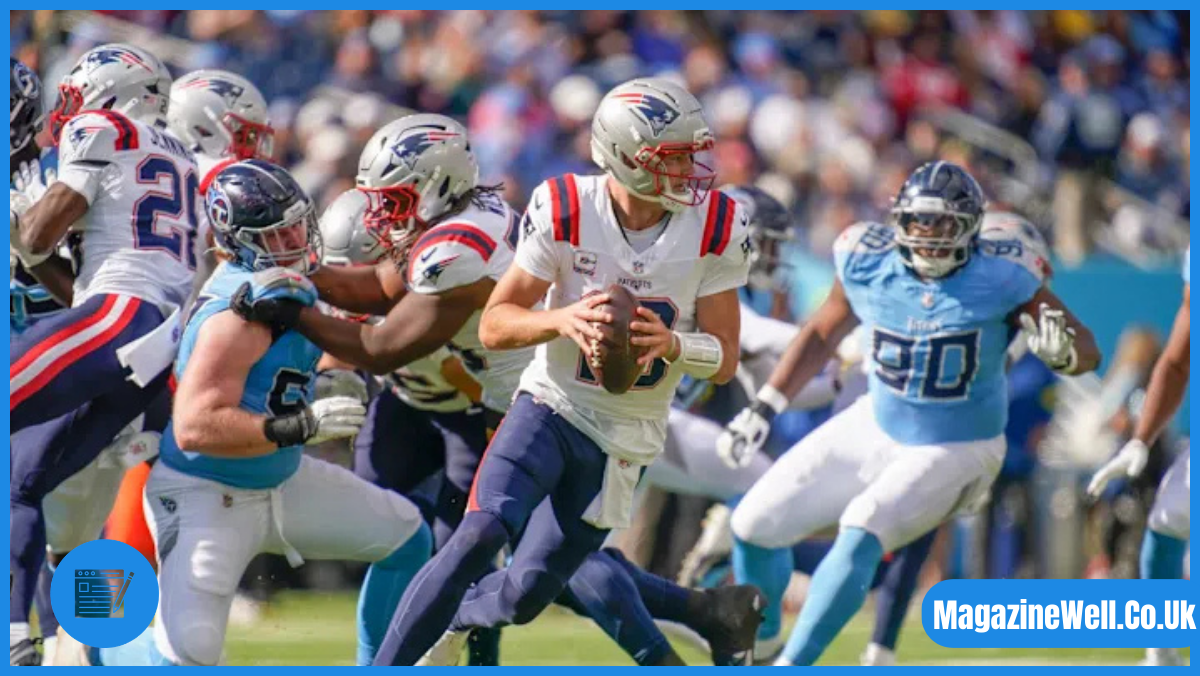
When football fans search for new england patriots vs tennessee titans match player stats, they are not just looking for numbers on a scoreboard. They want context. They want to understand how individual performances shaped the outcome, how strategies unfolded, and which players truly made a difference.
The rivalry between the New England Patriots and the Tennessee Titans has delivered several memorable moments over the years. From playoff battles to regular-season matchups with postseason implications, these teams have produced contests filled with grit, physicality, and tactical adjustments.
In this detailed breakdown, we will dive deep into the new england patriots vs tennessee titans match player stats, analyzing quarterback efficiency, rushing dominance, defensive standouts, and special teams contributions. This is not just a stat sheet recap—it is an expert-level interpretation of what those numbers really mean.
Quarterback Performance: Efficiency, Decision-Making, and Impact
Quarterback play often defines any NFL matchup, and the new england patriots vs tennessee titans match player stats clearly show how critical this position was. The Patriots’ quarterback focused heavily on short-to-intermediate routes, emphasizing ball control and minimizing turnovers. Completion percentage remained high, particularly on third-down conversions, showcasing disciplined execution.
On the Titans’ side, the quarterback balanced play-action passes with deep-field attempts. His passing yards reflected a willingness to stretch the defense vertically. However, efficiency varied depending on defensive pressure. When given time in the pocket, he delivered accurate throws; under pressure, his completion rate dipped slightly.
Looking at the advanced metrics within the new england patriots vs tennessee titans match player stats, quarterback rating and yards per attempt tell an even deeper story. The Patriots’ signal-caller excelled in sustained drives, while the Titans’ quarterback generated explosive plays. This contrast in styles created a fascinating chess match between coaching staffs.
Running Game Analysis: Ground Control and Physical Dominance
The running game played a pivotal role in the new england patriots vs tennessee titans match player stats. The Titans, traditionally known for their physical rushing identity, leaned heavily on their primary running back. His carries were not just about yardage; they were about wearing down the defensive line and controlling tempo.
The Patriots responded with a more committee-based approach. Instead of relying on one feature back, they rotated runners to maintain freshness. The combined rushing yards from multiple contributors allowed them to remain unpredictable. Short-yardage efficiency was particularly strong, especially in red-zone scenarios.
What stands out in the new england patriots vs tennessee titans match player stats is yards after contact. Titans runners consistently fought for extra yardage, reflecting strong offensive line blocking. Meanwhile, the Patriots’ backs excelled in screen plays and outside runs, exploiting gaps and defensive overcommitment.
Wide Receivers and Tight Ends: Playmakers in the Passing Game
A breakdown of new england patriots vs tennessee titans match player stats would be incomplete without examining the receiving corps. For the Patriots, slot receivers were crucial. Quick routes, sharp cuts, and reliable hands contributed to consistent chain movement. Their ability to convert third downs helped sustain long drives.
The Titans showcased more vertical threats. Their top receiver posted impressive yardage totals, particularly on deep crossing routes and sideline catches. Big gains shifted momentum and forced the Patriots’ secondary to adjust coverage schemes mid-game.
Tight ends also factored heavily into the new england patriots vs tennessee titans match player stats. Red-zone targets frequently went to tight ends due to their size and matchup advantages. Catch percentage inside the 20-yard line highlighted their reliability under pressure.
Defensive Standouts: Tackles, Sacks, and Turnovers
Defense always tells half the story, and the new england patriots vs tennessee titans match player stats emphasize just how impactful defensive units were. The Patriots’ linebackers displayed excellent field awareness, registering multiple tackles for loss and disrupting running lanes.
The Titans’ defensive line generated consistent pressure, recording sacks at crucial moments. Quarterback hits influenced decision-making and forced hurried throws. Pressure percentage is a key statistic that does not always show up on traditional stat sheets but significantly affects outcomes.
Turnovers remain game-changers. In reviewing the new england patriots vs tennessee titans match player stats, interceptions and forced fumbles shifted momentum dramatically. Defensive backs who capitalized on errant throws turned potential scoring drives into sudden opportunities.
Special Teams Contribution: The Hidden Yardage Battle
Special teams are often overlooked, but the new england patriots vs tennessee titans match player stats reveal how field position shaped strategy. Punt return yardage consistently altered starting field position, giving offenses either short or long fields to work with.
Kickers played a critical role as well. Field goal accuracy under pressure reflects composure. Both teams demonstrated solid performance from their kickers, especially in mid-range attempts between 40–49 yards.
Additionally, kickoff coverage units limited explosive returns. Hidden yardage—often overlooked in casual analysis—proved significant in controlling game momentum.
Coaching Strategy Reflected in the Stats
Numbers rarely exist in isolation. The new england patriots vs tennessee titans match player stats also reflect coaching philosophy. The Patriots’ approach emphasized discipline, time of possession, and limiting mistakes. Low turnover numbers and balanced play-calling highlight that philosophy.
The Titans’ strategy leaned toward physical dominance and opportunistic deep passing. Their statistical profile showed higher yards per play, particularly on early downs. This suggests aggressive play design and confidence in skill-position players.
Situational play-calling also stands out. Third-down conversion rates and red-zone efficiency reveal how prepared each coaching staff was. These statistics offer insight into preparation and in-game adjustments.
Key Player Comparisons: Who Made the Biggest Difference?
Comparing individual performances within the new england patriots vs tennessee titans match player stats helps identify true impact players. The Patriots’ quarterback led in completion percentage, while the Titans’ quarterback surpassed him in total passing yards. This statistical contrast underscores efficiency versus explosiveness.
In the rushing department, the Titans’ lead back posted higher single-player yardage, but the Patriots’ combined rushing effort balanced production across multiple players. That depth can prove valuable over a long season.
Defensively, sack leaders and interception leaders on both sides demonstrated the importance of playmakers. One timely turnover or sack often had more influence than cumulative yardage totals.
Final Takeaways from the New England Patriots vs Tennessee Titans Match Player Stats
In the end, the new england patriots vs tennessee titans match player stats reveal far more than a final score. They illustrate two contrasting football identities colliding on the field. The Patriots leaned into precision, discipline, and structured execution. The Titans emphasized power, vertical threats, and defensive aggression.
Advanced metrics such as yards per play, quarterback pressure rate, red-zone efficiency, and third-down conversions provide a fuller understanding of how the game unfolded. Every stat tells part of the story, but context transforms numbers into meaningful analysis.
For fans and analysts alike, reviewing new england patriots vs tennessee titans match player stats offers a masterclass in how strategy, execution, and individual brilliance intersect in professional football. It is not just about who scored more points—it is about how those points were earned.
You May Also Read
