Winter weather can be beautiful, but it also brings challenges that affect transportation, safety, and daily life. One of the most common alerts issued during cold weather is a moderate snow ice warning. While it may not sound as severe as extreme weather alerts, it still signals conditions that require caution and preparation.
In this article, we will explore what a moderate snow ice warning means, why it is issued, how it can affect everyday life, and what practical steps people can take to stay safe. Understanding these warnings helps individuals and communities respond more effectively when winter weather arrives.
Understanding What a Moderate Snow Ice Warning Means
A moderate snow ice warning is typically issued by weather authorities when forecasts predict snowfall combined with icy conditions that may create hazards but are not considered extreme. This type of warning alerts the public that conditions could become slippery and potentially dangerous, particularly on roads, sidewalks, and outdoor surfaces.
Weather agencies use different categories of alerts to communicate the level of risk. A moderate snow ice warning usually falls somewhere between a general advisory and a severe winter storm warning. In other words, the situation is serious enough to require attention, but it may not cause widespread disruption if people take proper precautions.
Another important aspect of a moderate snow ice warning is that it often involves mixed precipitation. Snow can melt slightly and refreeze, creating ice patches that are difficult to see. These hidden icy surfaces are especially risky because drivers and pedestrians may not realize the danger until they are already on them.
Because of these factors, the warning serves as an early signal for people to adjust their plans, prepare for slower travel, and remain aware of changing weather conditions.
How Weather Conditions Lead to a Moderate Snow Ice Warning
Several meteorological factors combine to create the conditions that trigger a moderate snow ice warning. One of the most common causes is a weather system that brings snowfall followed by temperatures hovering around the freezing point. When temperatures fluctuate between slightly above and below freezing, snow can melt and then refreeze into ice.
Another contributing factor is freezing rain or sleet. Even small amounts of freezing precipitation can coat surfaces with a thin layer of ice. This thin layer may not be visible at first glance, but it can make roads extremely slippery. Meteorologists monitor temperature profiles in the atmosphere to determine when this type of precipitation is likely.
Wind and humidity can also play a role. Cold winds can accelerate the freezing process, while moisture in the air can contribute to the formation of frost or black ice. These combined elements often result in the types of conditions that lead authorities to issue a moderate snow ice warning.
Weather forecasting technology has improved significantly in recent years. Meteorologists now rely on advanced satellite data, radar systems, and computer models to identify developing winter storms earlier than ever before. This improved accuracy allows warnings to be issued in time for the public to prepare.
The Impact of a Moderate Snow Ice Warning on Daily Life
When a moderate snow ice warning is announced, everyday routines may need to change. Transportation is usually the first area affected. Roads can become slippery, especially during early morning or late evening when temperatures drop and surfaces refreeze.
Public transportation systems may also experience delays. Buses and trains must operate more carefully during icy conditions to maintain safety. In some cases, schools or workplaces may adjust schedules to reduce the risk of accidents during commutes.
Outdoor activities are another area where people need to be cautious. Walking on icy sidewalks increases the risk of slips and falls, which can lead to injuries. Even simple tasks such as taking out the trash or walking a pet can become hazardous when surfaces are covered with snow or ice.
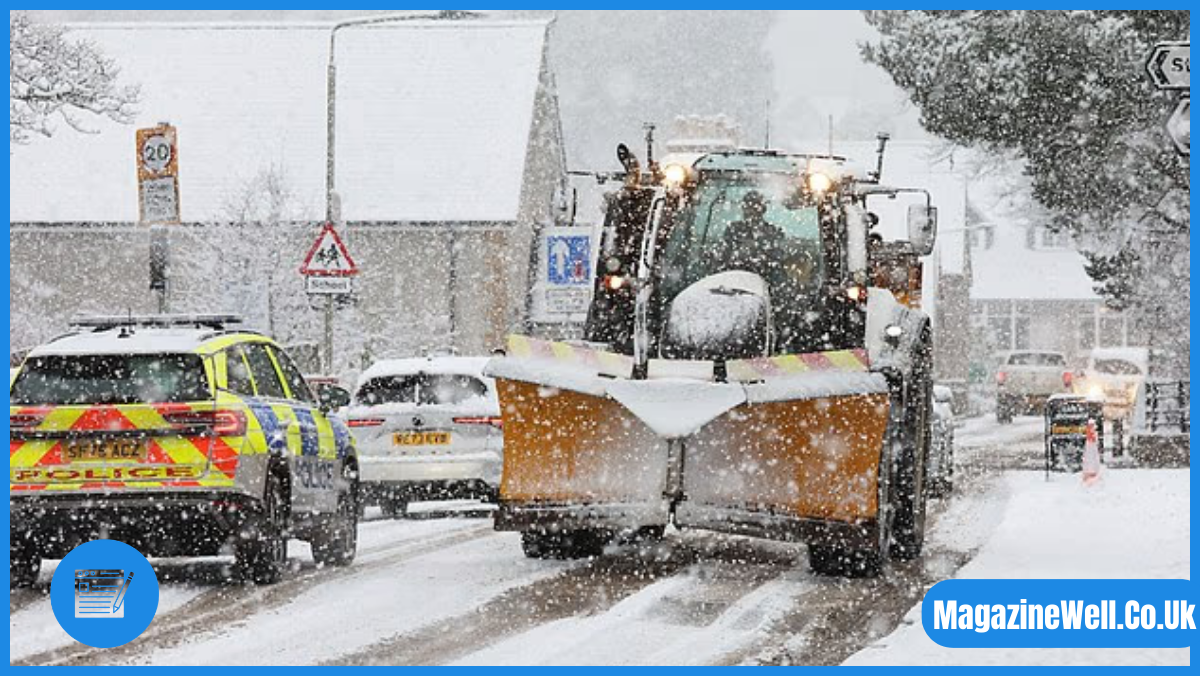
Businesses and local governments also respond to these warnings. Snowplows, salt trucks, and maintenance crews often begin preparing roads and walkways ahead of time. These efforts help reduce the risks, but they cannot eliminate them entirely, which is why public awareness remains essential.
Safety Tips During a Moderate Snow Ice Warning
Preparation and awareness are key when a moderate snow ice warning is in effect. One of the most important safety steps is adjusting travel plans. If driving is necessary, allowing extra time for the journey helps reduce stress and encourages safer driving speeds.
Drivers should also ensure their vehicles are prepared for winter conditions. This includes checking tire tread, maintaining proper tire pressure, and keeping windshield washer fluid topped up. Carrying emergency supplies such as a blanket, flashlight, and phone charger can also be helpful in case of unexpected delays.
For pedestrians, proper footwear makes a significant difference. Shoes with good traction can reduce the likelihood of slipping on icy surfaces. Walking slowly and taking shorter steps helps maintain balance when sidewalks are slick.
At home, clearing snow and applying salt or sand to walkways can improve safety. These small actions help prevent accidents for residents, visitors, and delivery workers. Keeping an eye on weather updates throughout the day is also important because conditions can change quickly.
Why Paying Attention to Weather Warnings Matters
Weather warnings exist to help people make informed decisions. A moderate snow ice warning may not indicate a catastrophic event, but ignoring it can still lead to unnecessary risks. Many winter accidents occur when individuals underestimate how dangerous icy conditions can be.
Being aware of weather alerts allows communities to respond proactively. Schools can prepare for potential delays, businesses can adjust staffing plans, and families can schedule travel more safely. Even simple awareness can make a significant difference in reducing accidents.
These warnings also highlight the importance of community cooperation. Local authorities work hard to keep roads clear and safe, but public cooperation—such as driving cautiously and avoiding unnecessary travel—supports those efforts.
Ultimately, weather alerts are about prevention. By taking them seriously, individuals can reduce risks and help ensure that winter weather remains manageable rather than disruptive.
Final Thoughts on Moderate Snow Ice Warnings
A moderate snow ice warning is a reminder that winter weather requires respect and preparation. Although the conditions may not be extreme, snow combined with ice can quickly create hazards that affect travel, outdoor activities, and everyday routines.
Understanding what this warning means helps people respond calmly and responsibly. From adjusting driving habits to preparing homes and walkways, small precautions can significantly improve safety during icy conditions.
Winter weather will always bring a certain level of unpredictability, but staying informed and prepared makes it far easier to handle. When a moderate snow ice warning appears in the forecast, it is best viewed as an opportunity to slow down, plan ahead, and prioritize safety for yourself and those around you.
You May Also Read