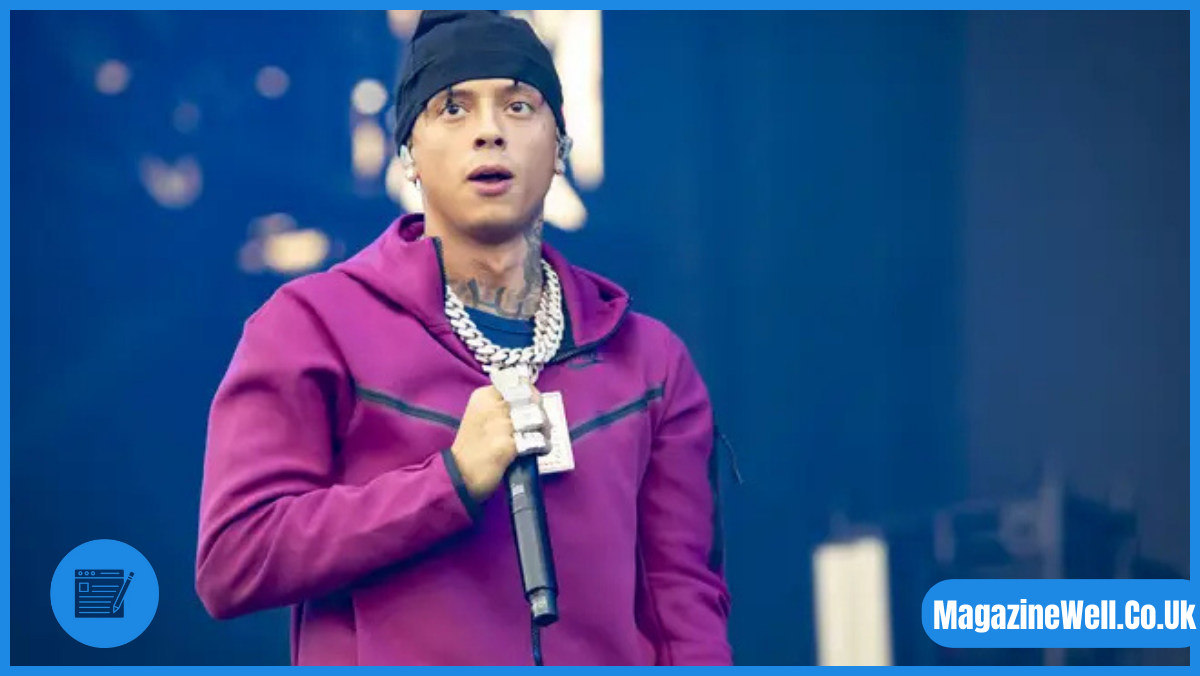
The term bop house members has gained traction recently in music and social club circles, sparking curiosity among fans and newcomers alike. Whether you are a jazz enthusiast, a nightclub regular, or simply someone interested in music culture, understanding the composition and role of bop house members gives you a glimpse into a vibrant world of creativity, collaboration, and community. In this article, we’ll break down who these members are, their influence, and why their contributions matter.
Who Are Bop House Members?
Bop house members are essentially individuals who actively participate in or are affiliated with a bop house, which is a venue or collective focused on jazz, bebop, or similar improvisational music styles. The term “bop” itself originates from bebop, a jazz genre that emerged in the 1940s, characterized by fast tempos, complex chord progressions, and intricate melodies.
Members of a bop house can range from professional musicians to enthusiasts, DJs, event organizers, and even patrons who regularly contribute to the vibe of the community. Unlike conventional music clubs, bop houses emphasize collaboration, spontaneous jam sessions, and mentorship, giving both seasoned artists and newcomers a platform to express their creativity.
For many, being a bop house member is not just about music—it’s about being part of a cultural movement that values improvisation, innovation, and mutual support. These members often form tight-knit communities, sharing insights, learning from one another, and helping to keep jazz traditions alive in modern contexts.
Roles and Responsibilities of Bop House Members
The responsibilities of bop house members can vary depending on their level of involvement and the specific nature of the bop house. Musicians often take the center stage, performing regular sets or participating in jam sessions. They bring their technical skills, creativity, and energy, helping to define the musical identity of the house.
Event coordinators and organizers, another crucial group of members, handle the logistics of shows, manage schedules, and ensure that the environment is conducive to creativity. Their work often goes unnoticed, but without them, the smooth running of bop house events would be impossible.
Enthusiasts and supportive members contribute in subtler ways—they may help promote events, offer feedback, or mentor newcomers. These contributions foster a sense of community and continuity, making sure the bop house remains a hub for cultural exchange rather than just a performance venue. Essentially, every bop house member plays a unique role in keeping the music alive and the community engaged.
Famous Bop House Members and Their Impact
Throughout history, several notable figures in jazz and related genres have been associated with bop houses. Musicians like Charlie Parker, Dizzy Gillespie, and Thelonious Monk were effectively pioneering bop house members in the 1940s and 1950s, as they often gathered in clubs in Harlem and New York City to jam, exchange ideas, and push the boundaries of jazz.
Modern bop houses continue this tradition, with members who may not be globally famous but wield significant influence in their local music scenes. These members are essential in mentoring young talent, curating performances, and keeping the legacy of bebop and modern jazz relevant. By nurturing creativity and experimentation, these members ensure that bop houses remain vibrant cultural hubs.
Even outside music, bop house members often impact fashion, art, and lifestyle trends. The communal nature of bop houses allows for cross-disciplinary collaboration, resulting in innovative projects that reflect the energy and diversity of their members.
How to Become a Bop House Member
If you are passionate about jazz or improvisational music, becoming a bop house member is easier than you might think. Most bop houses welcome anyone with a genuine interest in music and collaboration. The first step is to attend events, observe performances, and network with current members. Showing respect for the community and the music itself is essential.
Aspiring musicians should consider participating in jam sessions, workshops, or open mic nights. Demonstrating skill, creativity, and willingness to collaborate can earn you recognition and inclusion as an official member. Likewise, enthusiasts can contribute by volunteering for events, promoting performances, or supporting the house in other meaningful ways.
Membership isn’t always formal; in many cases, it’s more about active participation and contribution than official paperwork. The key to becoming a respected bop house member is consistent involvement, enthusiasm, and a genuine love for the art form. Over time, your presence and input can help shape the direction and identity of the bop house.
The Future of Bop House Members
The landscape of music and social gatherings is constantly evolving, and bop houses are no exception. With the rise of digital platforms, virtual jam sessions, and global collaborations, bop house members are now finding new ways to connect and share music beyond the physical venue. This evolution allows for more diverse membership, bringing in international artists and fans who can participate remotely.
Moreover, the educational aspect of bop houses is becoming increasingly important. Many members are now involved in mentorship programs, workshops, and community outreach, teaching young musicians about jazz, improvisation, and music theory. These initiatives help preserve the culture and ensure that the next generation of bop house members continues to innovate.
As more people recognize the value of these spaces, the role of bop house members will likely expand, encompassing advocacy, cultural preservation, and interdisciplinary collaboration. One thing remains clear: the community, creativity, and camaraderie fostered by bop house members will remain central to their identity, regardless of the changes in technology or society.
Conclusion: Why Bop House Members Matter
In essence, bop house members are more than just participants—they are the lifeblood of a vibrant music culture that celebrates improvisation, innovation, and community. From musicians to enthusiasts, each member plays a vital role in shaping the identity of the bop house, ensuring that it remains a thriving hub for artistic expression.
Their influence extends beyond music, impacting art, culture, and community engagement. Whether you’re a newcomer looking to join or an observer wanting to understand the world of jazz, appreciating the work of bop house members provides a deeper understanding of what makes these spaces special.
By supporting and participating in bop houses, members and audiences alike help preserve a cultural legacy that is both historic and constantly evolving. In the world of jazz and improvisational music, bop house members are the true innovators, collaborators, and cultural custodians.