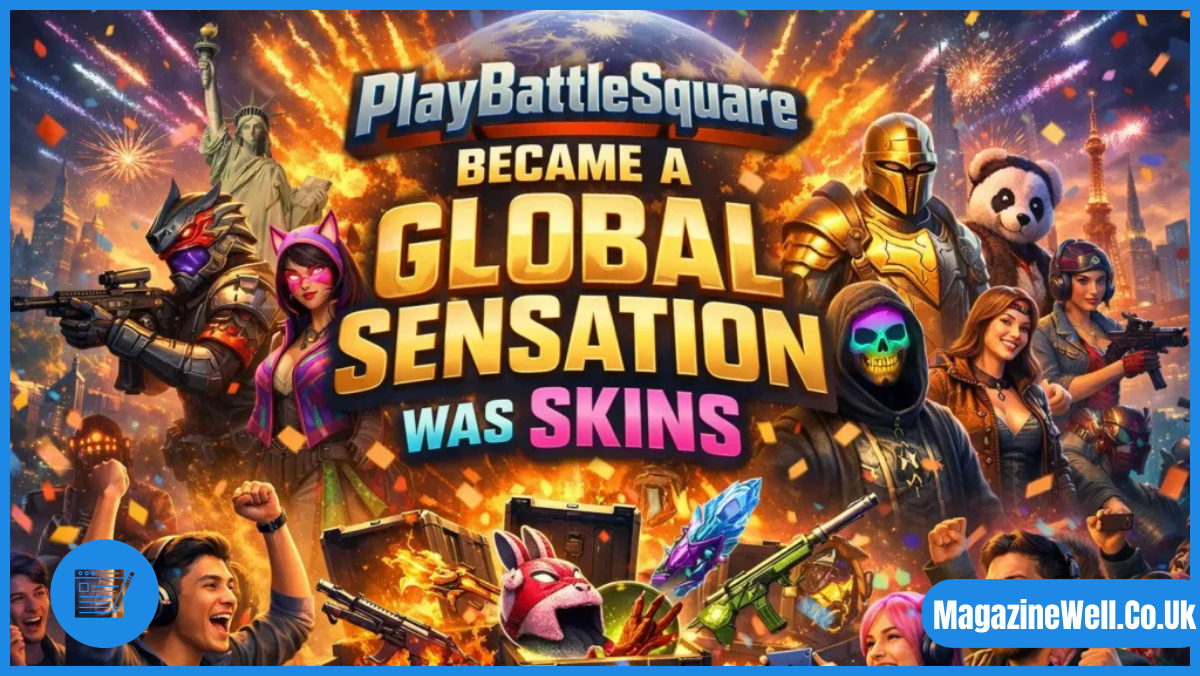
The Early Days: Understanding How PlayBattlesquare Became a Global Sensation Was Skins
When gamers first encountered PlayBattlesquare, few could have predicted just how massive it would become. At its core, the game offered competitive mechanics, balanced gameplay, and a dynamic online environment. However, what truly separated it from the crowd wasn’t just its gameplay design. The turning point in understanding how playbattlesquare became a global sensation was skins lies in recognizing the emotional and psychological power of customization.
In the early stages, the developers focused heavily on gameplay stability and smooth online matchmaking. But while those features created a solid foundation, they didn’t create cultural impact. That impact came later, when cosmetic personalization was introduced. Players didn’t just want to win; they wanted to stand out.
Customization introduced identity into competition. Suddenly, avatars were no longer generic figures. They became reflections of personality, creativity, and status. That was the moment when playbattlesquare became a global sensation was skins transformed from a simple idea into a defining reality.
The Power of Skins: Why Cosmetics Changed Everything
To truly grasp why playbattlesquare became a global sensation was skins, we need to analyze player behavior. Modern gaming thrives on individuality. Skins are not merely cosmetic upgrades; they represent prestige, rarity, and emotional attachment. When PlayBattlesquare introduced limited-edition skins, something shifted dramatically within the community.
Players began chasing exclusive releases. Rare skins created digital scarcity, and scarcity fuels desire. Gamers were suddenly investing time, effort, and even money to obtain specific looks. The psychology behind this is well documented in gaming economics: rarity increases perceived value. PlayBattlesquare capitalized on this brilliantly.
Moreover, skins turned gameplay into spectacle. Livestream platforms were flooded with players showing off new cosmetics. Influencers began showcasing their collections, sparking trends across social media. At that point, it became undeniable that playbattlesquare became a global sensation was skins was not an exaggeration—it was an accurate description of a cultural shift.
Community Influence and Social Media Momentum
Another major factor in how playbattlesquare became a global sensation was skins is the role of the online community. The rise of streaming platforms and short-form video content amplified every cosmetic release. Whenever a new skin dropped, social media exploded with reactions, reviews, and gameplay highlights.
Content creators played a critical role. They weren’t just playing the game; they were marketing it organically. Exclusive skins were showcased in tournaments and highlight reels, generating hype beyond the existing player base. Even non-players began recognizing iconic cosmetic designs.
The social currency attached to rare skins became powerful. Owning a limited skin meant more than aesthetic appeal; it signaled dedication, status, and sometimes financial investment. In many ways, playbattlesquare became a global sensation was skins evolved into a phenomenon driven as much by social proof as by gameplay mechanics.
The Business Model: Smart Monetization Without Breaking Balance
From an industry perspective, the financial structure behind skins deserves attention. When discussing how playbattlesquare became a global sensation was skins, we cannot ignore the monetization strategy. The developers made a critical decision: skins would remain cosmetic-only.
This approach avoided the controversial “pay-to-win” label that damages many online titles. Players could purchase skins without gaining competitive advantages. This preserved fairness while still creating a thriving marketplace. As a result, both free-to-play users and paying customers felt respected.
The limited-time events, seasonal collections, and collaboration skins further boosted revenue streams. Instead of forcing purchases, the game created emotional motivation. Players chose to buy skins because they wanted them, not because they needed them to compete. This balance is a key reason why playbattlesquare became a global sensation was skins became synonymous with smart game design.
Psychological Engagement and Player Retention
Retention is the lifeblood of any successful online game. While gameplay mechanics attract users, cosmetics often keep them engaged long-term. The reason playbattlesquare became a global sensation was skins is deeply tied to player psychology.
Unlocking skins provides a sense of achievement. Even random loot-based cosmetic systems tap into reward anticipation, a psychological trigger that keeps players returning. Every new season felt like a fresh opportunity to expand one’s digital identity.
Additionally, skins allowed players to evolve alongside the game. As new designs were released, community discussions flourished. Forums filled with debates over the best designs, rarest drops, and most valuable collections. This constant engagement extended the lifecycle of the title far beyond initial expectations.
Competitive Scene and Esports Impact
When PlayBattlesquare entered the competitive arena, skins played an unexpected role. Tournament broadcasts became visually vibrant experiences. Team-branded skins and exclusive championship cosmetics turned competitive matches into visual showcases.
Fans began associating certain skins with legendary plays. Iconic moments were immortalized not just through gameplay, but through the cosmetic designs worn by the players. This visual branding strengthened both esports viewership and merchandise appeal.
As the competitive scene expanded internationally, so did the skin market. Regional-exclusive cosmetics generated global excitement. Collectors hunted cross-region releases, driving worldwide engagement. Once again, playbattlesquare became a global sensation was skins wasn’t just marketing language—it was observable reality.
Cultural Relevance and Cross-Industry Collaborations
No global gaming phenomenon reaches massive scale without cultural crossover. As playbattlesquare became a global sensation was skins continued to gain momentum, collaborations began appearing. Designers partnered with artists, musicians, and pop culture icons to create limited-edition skins.
These collaborations introduced the game to entirely new audiences. Fans of those external brands were drawn into the PlayBattlesquare ecosystem. Suddenly, the game wasn’t just competing within the gaming industry—it was participating in broader entertainment culture.
This cross-industry strategy expanded visibility. It also reinforced the idea that skins were more than in-game cosmetics. They became collectible digital assets with emotional and cultural significance.
Longevity and the Future of Skins
Looking ahead, the question is not whether skins matter—it is how they will evolve. The reason playbattlesquare became a global sensation was skins set a precedent for modern multiplayer games. Cosmetic ecosystems are now essential components of long-term success.
Future updates may include advanced customization, player-designed skins, or even blockchain-based ownership systems. Regardless of direction, the foundation remains clear: personalization drives engagement.
What started as simple aesthetic options turned into a multi-layered economic and cultural engine. The story of how playbattlesquare became a global sensation was skins serves as a case study in gaming innovation. It demonstrates that gameplay builds the house, but identity makes it a home.
Final Thoughts: More Than Just Cosmetic Appeal
At first glance, skins may appear superficial. However, when analyzing the trajectory of PlayBattlesquare, it becomes obvious that cosmetics were the catalyst for global recognition. They fueled community interaction, boosted revenue, strengthened esports visibility, and enhanced long-term retention.
The phrase playbattlesquare became a global sensation was skins perfectly summarizes the transformation. It wasn’t just about competitive mechanics or marketing budgets. It was about giving players a way to express themselves within a digital battlefield.
In the end, the lesson for developers is clear. Players don’t just want to compete; they want to belong, to represent, and to stand out. Skins delivered that opportunity, and in doing so, they turned PlayBattlesquare from a promising title into a worldwide phenomenon.
You May Also Read