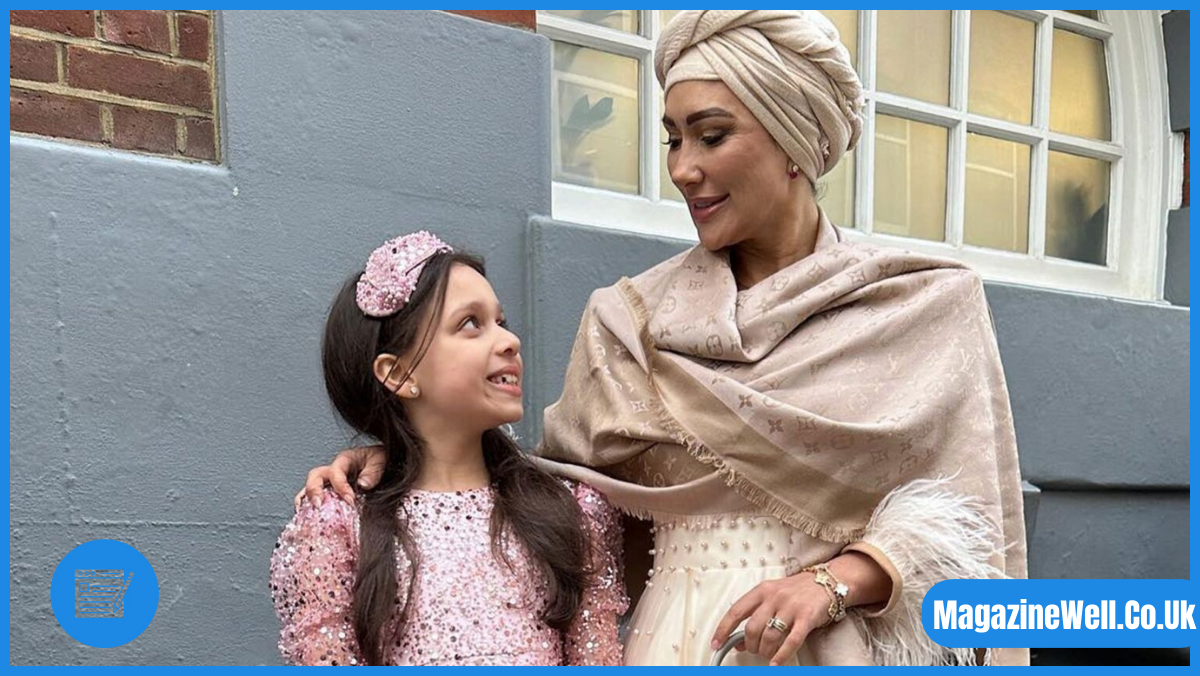
The search term emily abraham children often sparks curiosity among audiences. People naturally want to learn about the family lives of individuals they admire or follow. While curiosity is normal, it’s important to navigate this topic carefully, respecting the privacy and safety of children.
In this article, we’ll explore the context behind emily abraham children, why public interest exists, and the balance between sharing and safeguarding personal family information. This is a thoughtful, expert-style look at the topic, designed to provide insight without speculation.
Why People Are Curious About Emily Abraham Children
The phrase emily abraham children often trends because family stories are universally relatable. Children represent growth, personal life, and a connection to something beyond professional achievements. When a public figure or recognized individual has children, audiences often want to understand how parenthood shapes their life.
In many cases, searching for emily abraham children reflects a desire to know how family responsibilities influence personal choices, daily routines, or career decisions. Parenting adds another layer of dimension to public personas, making them more relatable to audiences.
However, public interest does not automatically mean the information is available. Some families choose to keep children out of the public eye entirely, which is a decision rooted in safety and privacy. Understanding this helps temper curiosity with respect.
Maintaining Privacy in the Public Eye
Privacy is a major concern when discussing emily abraham children. Children did not choose public visibility, and it’s the responsibility of adults to protect them from unnecessary exposure. Parents often create boundaries around social media, interviews, or public appearances to safeguard their children’s well-being.
When people search for emily abraham children, they should understand that limited information is often intentional. Respecting those boundaries demonstrates empathy and awareness of ethical considerations. Sharing personal details about children without consent can be intrusive and harmful.
Balancing curiosity with privacy is not only respectful but also essential for the healthy development of children in families that face public attention. This principle should guide all conversations about emily abraham children.
The Role of Media in Shaping Public Perception
Media plays a significant role in how information about emily abraham children is presented. Headlines or social media posts can amplify minor details, sometimes creating misconceptions. Credible sources and verified information are critical to avoid spreading rumors.
Responsible reporting about emily abraham children focuses on general family dynamics, parenting philosophies, or achievements that parents choose to share publicly. Ethical journalism avoids speculating about age, school, or personal routines unless explicitly confirmed.
Social media, in particular, can magnify attention. Even a single photo or comment can generate widespread discussions. That’s why media creators and audiences must exercise discretion when engaging with content related to emily abraham children.
Challenges of Parenting Under Public Scrutiny
Parenting is challenging under normal circumstances, but public attention adds extra layers of complexity. When discussing emily abraham children, it’s important to remember the pressures parents face in protecting and guiding their children while managing public curiosity.
Parents in the spotlight often have to make conscious choices about what to share and what to keep private. These decisions impact the child’s sense of normalcy and well-being. Even innocent searches or discussions about emily abraham children can have unintended effects if repeated online exposure occurs.
This reality highlights the need for empathy and thoughtful conversation. Children deserve environments where they can grow without undue scrutiny, and parents must balance visibility with protection.
Responsible Curiosity and Digital Etiquette
The internet makes information instantly accessible, but not every curiosity requires detailed answers. When exploring emily abraham children, individuals should ask whether the search respects family boundaries.
Digital etiquette encourages focusing on broader topics like parenting philosophies or general work-life balance rather than personal details. This approach ensures that discussions about emily abraham children are constructive and ethical.
Respecting the choice to keep children private is equally important. The absence of detailed information often reflects conscious decisions to prioritize family safety over public interest. Understanding this fosters a more responsible online culture.
Understanding the Broader Conversation
Interest in emily abraham children mirrors a larger societal trend: curiosity about how public figures navigate personal life. Family narratives feel relatable, offering audiences insight into everyday challenges, joys, and responsibilities.
However, fascination with family should never override compassion. Conversations should focus on general themes and avoid intruding into private lives. Public recognition does not mean children automatically forfeit their right to privacy.
By promoting ethical discussion and accurate information, content creators and audiences can engage meaningfully with topics like emily abraham children without compromising respect.
Conclusion
In summary, the topic of emily abraham children reflects a natural human interest in family life and personal stories. People want to understand how public figures balance parenting with other responsibilities.
Yet, privacy must remain a priority. Speculation, intrusive questions, or sharing unverified details should be avoided. Children deserve protection, discretion, and freedom from unnecessary attention.
By approaching emily abraham children with sensitivity, audiences can satisfy curiosity while respecting boundaries. Responsible discussion ensures that interest in family life remains ethical, informative, and empathetic.