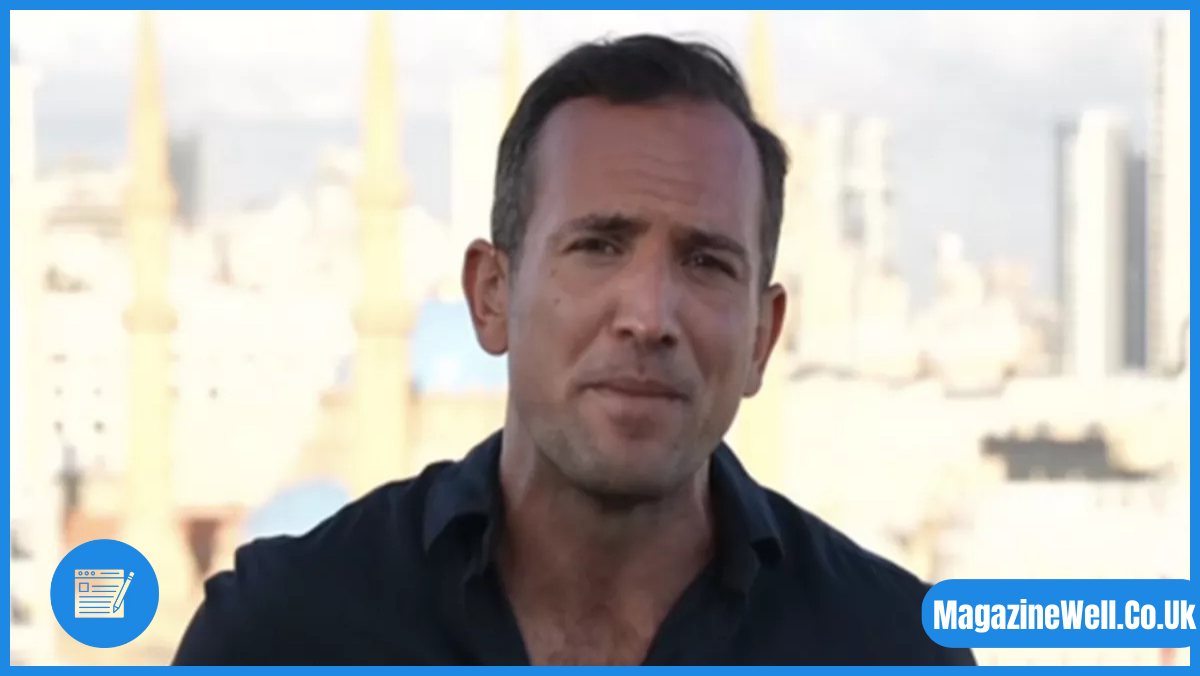
When people talk about international journalism today, Hugo Bachega often comes up as a familiar and trusted voice. Alongside his reporting style and on-the-ground presence, one thing that consistently catches the attention of viewers is the Hugo Bachega accent. It’s distinctive without being distracting, polished without sounding artificial, and global without losing warmth. For many audiences, his accent has become part of his professional identity.
The fascination with the Hugo Bachega accent isn’t just casual curiosity. In modern broadcast journalism, how something is said can matter almost as much as what is said. Accents influence credibility, clarity, and emotional connection. Bachega’s voice sits at an interesting crossroads where international background meets professional broadcast standards, making it a great case study in how accents function in global media.
This article takes a deep dive into the Hugo Bachega accent, exploring its origins, characteristics, and why it resonates so strongly with viewers around the world. Written casually but with expert insight, this breakdown looks beyond surface impressions to understand what truly makes his accent stand out.
The Origins Behind the Hugo Bachega Accent
The Hugo Bachega accent is shaped by a multicultural background that reflects the realities of modern global journalism. Born in Brazil, Bachega grew up exposed to Brazilian Portuguese as his first language. That early linguistic foundation subtly influences his rhythm and intonation, even when he speaks fluent, professional English on air.
As he progressed academically and professionally, Bachega spent significant time in English-speaking environments. This exposure refined his pronunciation, smoothing out strong regional markers while preserving a faint international tone. The result is not a “forced” accent, but one that naturally evolved through education, immersion, and professional necessity.
What makes the Hugo Bachega accent particularly interesting is how balanced it feels. It does not lean heavily into a Brazilian accent, nor does it fully adopt a traditional British or American broadcast style. Instead, it reflects a globalized form of English, shaped by experience rather than imitation, which many international journalists consciously or unconsciously develop over time.
Key Characteristics of the Hugo Bachega Accent
One of the most noticeable traits of the Hugo Bachega accent is its clarity. His pronunciation is crisp, with careful articulation of consonants and steady pacing. This makes his reporting easy to follow, even during complex or emotionally intense stories, which is a crucial skill in international news broadcasting.
Another defining characteristic is intonation. The Hugo Bachega accent carries a measured, neutral tone that avoids extreme rises or drops in pitch. This neutrality helps maintain professionalism while allowing emotional nuance to come through when the story demands it. His voice can sound calm during breaking news and empathetic during human-focused reporting without losing authority.
Rhythm also plays a major role in how the Hugo Bachega accent is perceived. There is a slight musicality in his speech, likely influenced by his Portuguese linguistic roots. This rhythm adds warmth and flow, preventing his delivery from sounding overly mechanical or scripted, which is something audiences subconsciously appreciate.
Why the Hugo Bachega Accent Works So Well on Television
The Hugo Bachega accent works particularly well on television because it aligns perfectly with modern broadcast expectations. Today’s global news networks value accents that are internationally intelligible rather than strictly local. Bachega’s voice fits this mold, making him accessible to audiences across continents.
Trust is another major factor. Studies in media psychology often show that viewers associate clear, calm accents with credibility. The Hugo Bachega accent projects confidence without arrogance, authority without detachment. This balance helps viewers feel informed rather than lectured, which is essential when covering sensitive geopolitical issues.
Additionally, the accent supports emotional storytelling. Because it isn’t overly stylized, viewers focus on the content rather than the delivery. The Hugo Bachega accent fades into the background when needed, allowing the story to take center stage, yet remains distinctive enough to be memorable.
Public Perception and Online Discussion Around the Hugo Bachega Accent
Online discussions about the Hugo Bachega accent often reflect admiration and curiosity rather than criticism. Viewers frequently comment on how “neutral,” “smooth,” or “pleasant” his voice sounds, especially compared to more heavily regional accents that might be harder for international audiences to understand.
Some listeners try to place the accent geographically, debating whether it sounds British, European, or subtly Latin. This ambiguity is part of what makes the Hugo Bachega accent so interesting. It resists easy categorization, reflecting the increasingly global nature of journalism and communication.
Importantly, these discussions highlight a broader shift in audience attitudes. Accents like Hugo Bachega’s are seen not as deviations from a standard, but as evidence of global competence. His accent symbolizes international experience, cultural awareness, and linguistic adaptability, all of which enhance his professional image.
The Role of Accent Training and Professional Refinement
While natural background plays a role, the Hugo Bachega accent also reflects professional refinement. Many international journalists undergo voice coaching to ensure clarity, pacing, and consistency. This training doesn’t erase an accent; instead, it polishes it for broadcast suitability.
In Bachega’s case, this refinement is subtle. The Hugo Bachega accent still carries hints of his background, but any elements that could hinder comprehension have been softened. This suggests careful, ongoing voice work rather than aggressive accent neutralization.
This approach is increasingly common in journalism. Rather than forcing reporters into a single “standard” sound, networks now encourage voices that are authentic yet clear. The Hugo Bachega accent is a strong example of how training can enhance, not replace, natural speech patterns.
What the Hugo Bachega Accent Represents in Modern Media
Beyond sound, the Hugo Bachega accent represents a broader cultural shift in global media. It reflects a world where journalists cross borders, languages, and cultures as part of their everyday work. His accent signals international fluency rather than local limitation.
For aspiring journalists, the Hugo Bachega accent sends an encouraging message. It shows that you don’t need to sound exactly like a traditional news anchor from one specific country to succeed. What matters more is clarity, credibility, and connection with the audience.
Ultimately, the Hugo Bachega accent is not just about how words are pronounced. It’s about what that voice represents: professionalism shaped by global experience, authenticity balanced with precision, and communication designed for a truly international audience.
Final Thoughts on the Hugo Bachega Accent
The continued interest in the Hugo Bachega accent makes sense when you look at the bigger picture. His voice sits at the intersection of culture, training, and experience, creating a sound that feels both familiar and distinctive.
Rather than distracting from his journalism, the accent enhances it. It supports clarity, builds trust, and reflects the international reality of the stories he tells. In an era where global audiences demand both accuracy and relatability, the Hugo Bachega accent fits perfectly.
In the end, the Hugo Bachega accent is a reminder that effective communication isn’t about sounding the same as everyone else. It’s about sounding clear, confident, and genuine—and that’s exactly what makes his voice stand out in modern journalism.