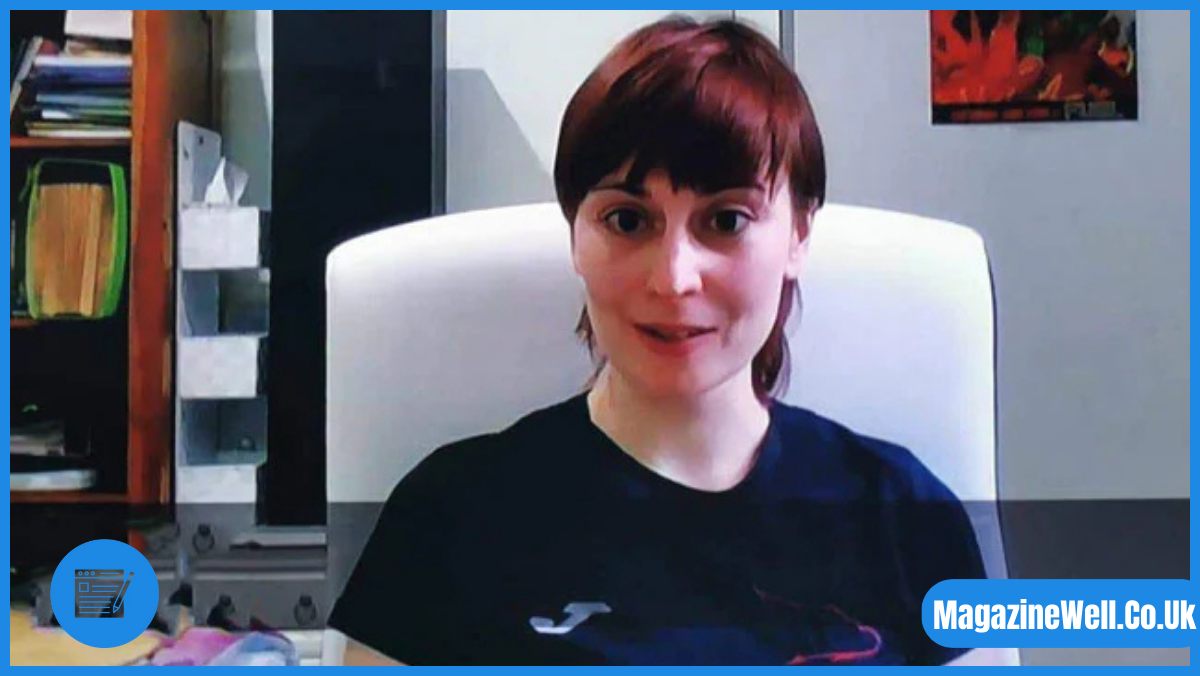
Yvette Amos is a name that might not have meant much to the wider public before 2021, but in the age of viral moments, that changed almost overnight. What began as a serious discussion on a major news platform turned into one of the internet’s most talked-about clips, catapulting her into global recognition for reasons no one could have predicted. Despite the humor and memes that followed, Yvette Amos remains an interesting example of how modern media, public perception, and viral culture intersect.
This article explores who Yvette Amos is, how she rose to public attention, and why her moment still sparks conversations today. Beyond the jokes and social media buzz, there’s a deeper story about media literacy, public scrutiny, and the unpredictable nature of going viral.
Who Is Yvette Amos?
Yvette Amos is a British citizen who came into the public eye after appearing on a BBC Wales interview. Prior to this moment, she was not a celebrity, influencer, or public figure in the traditional sense. Like many people featured in local news segments, she appeared as a concerned individual discussing serious topics affecting everyday life.
Before her viral fame, Yvette Amos lived a relatively private life. There is very little publicly available information about her professional background, which is intentional. She did not seek fame, nor did she try to capitalize on her moment in the spotlight in the way many viral personalities do today. That restraint has only added to public curiosity about her.
What makes Yvette Amos particularly interesting is that she represents the everyday person suddenly thrust into global attention. Her experience highlights how quickly the internet can transform an ordinary individual into a cultural talking point—without warning or consent.
The BBC Interview That Changed Everything
The moment that made Yvette Amos famous occurred during a live BBC Wales interview conducted over video call. The segment itself was meant to be serious, focusing on the impact of job losses and economic struggles during the COVID-19 pandemic. Yvette Amos spoke calmly and thoughtfully, offering sincere commentary on a topic affecting many families.
However, viewers quickly noticed something unexpected in the background of the video. An adult item placed on a shelf behind her became the focal point of the interview for many people watching. Social media users immediately latched onto the visual detail, and screenshots of the interview spread rapidly across platforms like Twitter, Reddit, and Facebook.
Despite the distraction, Yvette Amos maintained professionalism throughout the interview. She never reacted or acknowledged the background item, which many viewers later praised. The contrast between the serious subject matter and the accidental background detail created the perfect conditions for a viral moment.
Internet Reactions and Meme Culture
Once the clip circulated online, Yvette Amos became a trending topic almost instantly. Memes flooded social media, with users making jokes, edits, and humorous commentary about the interview. For better or worse, her name became synonymous with one of the most memorable live-TV moments of the year.
What stood out to many observers was the general tone of the reaction. While there were jokes, a large portion of the internet defended Yvette Amos, emphasizing that everyone deserves privacy and that mistakes happen—especially during remote work and video calls. Many users praised her composure and criticized the culture of overanalyzing people’s personal spaces.
This moment also sparked broader discussions about professionalism in the age of remote media. As video calls became the norm, countless people found themselves worried about what might accidentally appear on screen. Yvette Amos became an unintentional symbol of that shared anxiety.
Media Ethics and Public Scrutiny
The viral spread of Yvette Amos’s interview raised important ethical questions. Should private individuals be subjected to global ridicule for an innocent mistake? Where should the line be drawn between humor and invasion of privacy? These questions gained traction as the clip continued to circulate.
Traditional media outlets largely refrained from exploiting the moment further, while online platforms did what they do best—amplify attention at lightning speed. The incident showed how quickly context can be lost when content is shared without nuance or intention.
Yvette Amos herself did not publicly engage with the attention in any significant way. This decision arguably helped defuse the situation over time. Instead of escalating the moment, it gradually faded, becoming part of internet history rather than an ongoing controversy.
Life After Going Viral
Unlike many viral figures, Yvette Amos did not attempt to leverage her fame for financial gain or online influence. She did not launch public social media accounts, sell merchandise, or pursue interviews following the incident. That choice earned her quiet respect from many observers.
Her silence allowed the narrative to shift away from personal scrutiny and toward broader lessons about media consumption. In many ways, Yvette Amos regained control of her story by refusing to participate in the spectacle.
Today, her name still occasionally resurfaces in discussions about viral media moments, but largely as a reference point rather than an ongoing story. She remains an example of how fleeting internet fame can be, especially when not fueled intentionally.
Why Yvette Amos Still Matters
The story of Yvette Amos is more than just a viral joke—it’s a snapshot of modern digital culture. It shows how quickly attention can shift, how easily private individuals can become public figures, and how unpredictable online reactions can be.
Her experience also serves as a reminder to approach viral content with empathy. Behind every trending clip is a real person with a real life, often unprepared for the consequences of sudden exposure. Yvette Amos handled her moment with grace, professionalism, and restraint, qualities that often get overlooked in meme-driven narratives.
In a media landscape where outrage and humor travel faster than context, her story remains relevant. It encourages viewers to pause, reflect, and remember that not everything viral is meant to define a person forever.
Final Thoughts
Yvette Amos did not ask to become a global talking point, yet she became one through a combination of circumstance, technology, and internet culture. Her calm response, lack of public reaction, and refusal to chase fame transformed what could have been a lasting embarrassment into a brief, if unforgettable, moment in online history.
Ultimately, Yvette Amos represents the human side of viral media—unexpected, imperfect, and deeply relatable. Her story continues to resonate because it reminds us that in the digital age, anyone can become famous in seconds, but dignity and discretion still matter.