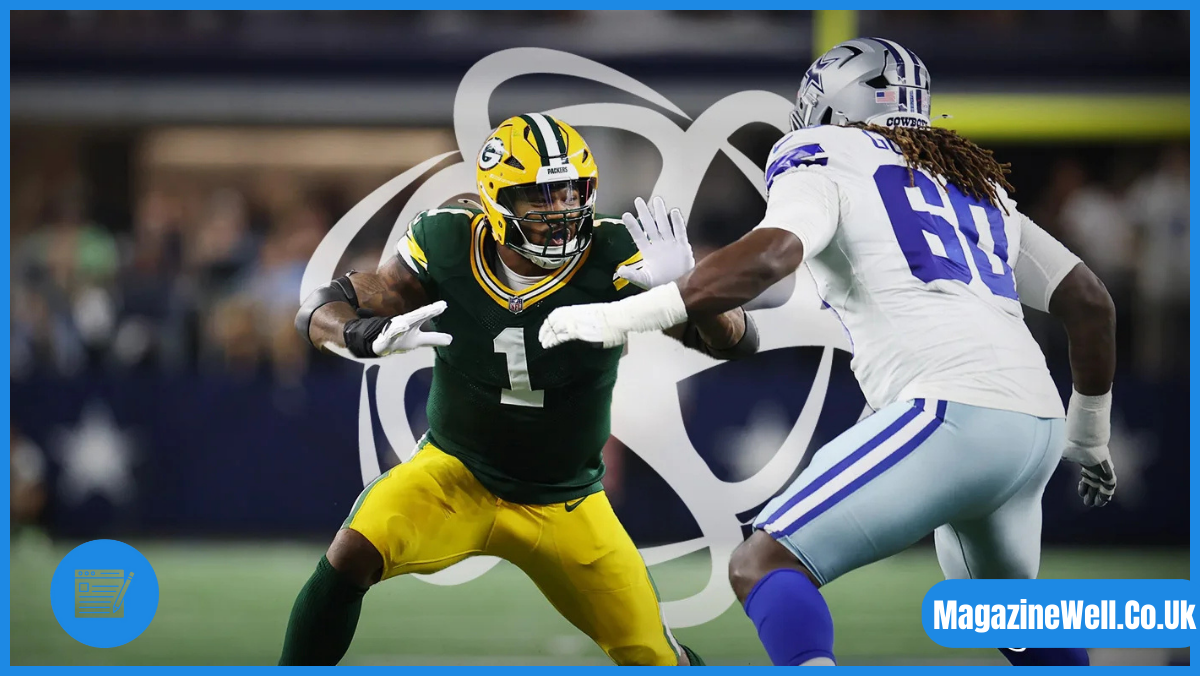
When football fans hear Green Bay Packers vs Dallas Cowboys, expectations instantly rise. This matchup isn’t just another NFL game—it’s a collision of legacy franchises, iconic stadiums, and star-studded rosters. What truly brings this rivalry to life, though, are the player stats that tell the real story behind the scoreboard. Numbers reveal momentum swings, clutch moments, and individual brilliance that can easily be missed during live action.
In this article, we’ll break down Green Bay Packers vs Dallas Cowboys match player stats in a way that feels casual but grounded in expert-level analysis. From quarterback efficiency to defensive grit and special teams impact, every angle matters. Let’s dig in.
Quarterback Performance: The Engine Behind the Offense
Quarterback stats often dominate post-game conversations, and for good reason. In a Packers vs Cowboys matchup, both teams usually rely heavily on their signal-callers to control tempo and field position. Completion percentage, yards per attempt, and third-down efficiency all paint a clearer picture than raw passing yards alone.
For Green Bay, quarterback play tends to emphasize rhythm passing and smart decision-making. Stat lines often show balanced numbers—solid completion rates paired with limited turnovers. Even when passing yards aren’t eye-popping, the efficiency metrics usually tell a story of sustained drives and clock control. Touchdown-to-interception ratio becomes especially important in these high-pressure games.
Dallas quarterbacks, on the other hand, frequently showcase volume and aggression in their stats. Higher passing attempts and deeper average target depth often result in bigger yardage totals. However, these games also highlight how pressure affects performance. Sacks taken, hurried throws, and red-zone efficiency are crucial stats that separate a strong Cowboys performance from an average one.
When comparing Green Bay Packers vs Dallas Cowboys match player stats at quarterback, the real takeaway is decision-making under pressure. The quarterback who protects the football and converts scoring chances usually swings the outcome.
Running Game Breakdown: Yards That Change the Game
While passing stats grab headlines, rushing performance quietly dictates the flow of these matchups. Green Bay has traditionally leaned on a zone-based rushing scheme, and that shows up in consistent yards per carry. Even if total rushing yards aren’t massive, efficiency on early downs often keeps the offense ahead of schedule.
Packers running backs typically post solid numbers in broken tackles and yards after contact. These stats matter because they extend drives and wear down Dallas’ defensive front. In close games, fourth-quarter rushing attempts often reveal which team successfully imposed its will.
Dallas counters with a more physical rushing approach. Cowboys running backs usually rack up higher carry totals, reflecting a commitment to controlling time of possession. Player stats like first-down runs and red-zone rushing attempts are especially telling. When Dallas runs effectively, their entire offensive stat sheet improves.
Looking at Green Bay Packers vs Dallas Cowboys match player stats, rushing efficiency—not just total yards—often predicts which team maintains momentum late in the game.
Wide Receivers and Tight Ends: Production Beyond the Box Score
Receiving stats go far beyond catches and yards. Route efficiency, yards after catch, and third-down conversions offer deeper insight into offensive execution. Green Bay receivers often shine in spacing and timing, reflected in high catch percentages. Slot receivers and tight ends frequently post strong numbers on crucial downs.
Packers tight ends, in particular, tend to show up in red-zone stats. Touchdowns, targets inside the 10-yard line, and contested catches highlight how Green Bay exploits mismatches. Even when wide receivers don’t post massive yardage totals, their impact is clear in situational stats.
Dallas receivers bring explosiveness. Cowboys wideouts often lead the game in receiving yards, thanks to vertical routes and yards after catch. Target share stats usually show one or two primary weapons dominating opportunities. When these players are contained, Dallas’ overall offensive efficiency drops noticeably.
In any Green Bay Packers vs Dallas Cowboys match player stats review, receiver production often explains sudden scoring runs or stalled drives.
Defensive Standouts: Tackles, Pressure, and Turnovers
Defense wins championships, and in this rivalry, defensive stats often decide the outcome. Tackles for loss, quarterback pressures, and forced turnovers tell a more meaningful story than total tackles alone. Green Bay defenders typically excel in coverage stats, limiting yards after catch and forcing long third downs.
Packers linebackers often post impressive numbers in pass deflections and coverage snaps. These stats highlight versatility and discipline. When Green Bay’s defense forces multiple punts or long field-goal attempts, it shows up clearly in drive-ending metrics.
Dallas defenders thrive on aggression. Sack totals and quarterback hits are often higher, reflecting a pressure-heavy approach. Cowboys edge rushers frequently lead the game in pressures, even when sacks don’t fully reflect their impact. Turnover stats—especially interceptions—often swing momentum dramatically in Dallas’ favor.
Reviewing Green Bay Packers vs Dallas Cowboys match player stats on defense shows how pressure and discipline create very different but equally effective paths to success.
Special Teams Impact: The Hidden Yardage Battle
Special teams stats don’t always get the attention they deserve, but they can be decisive. Field position, average starting drive location, and return yardage often shape offensive opportunities. Green Bay’s special teams units typically focus on consistency—solid punt coverage and reliable kicking accuracy.
Packers kickers often post clean stat lines, converting field goals from mid-range distances. Punt stats like net average and hang time reveal how effectively Green Bay limits Dallas return opportunities. These small advantages add up over four quarters.
Dallas special teams lean toward explosiveness. Return yards per attempt and occasional long returns show a willingness to take risks. While this can flip momentum instantly, it also introduces variability. Missed kicks or coverage breakdowns can quickly negate offensive gains.
When analyzing Green Bay Packers vs Dallas Cowboys match player stats, special teams often explain subtle shifts in momentum that aren’t obvious on the scoreboard.
Overall Team Metrics: Putting the Numbers Together
Team-wide stats help connect individual performances into a cohesive narrative. Time of possession, third-down conversion rate, and red-zone efficiency are especially important in Packers vs Cowboys games. Green Bay often excels in sustained drives, reflected in higher time-of-possession numbers.
Dallas usually posts stronger explosive-play stats, including plays of 20+ yards. These numbers highlight how quickly the Cowboys can change a game’s direction. However, penalty stats also matter—false starts, holding calls, and defensive pass interference can quietly derail drives.
When all Green Bay Packers vs Dallas Cowboys match player stats are viewed together, the pattern becomes clear. Green Bay thrives on efficiency and balance, while Dallas leans on athleticism and big plays. The winner is typically the team that successfully enforces its identity.
Final Thoughts: Why Player Stats Define This Rivalry
Stats don’t replace the emotion of football, but they enhance our understanding of it. In a rivalry as rich as Green Bay Packers vs Dallas Cowboys, player stats act as a historical record of execution, adjustment, and resilience. Every completion, tackle, and return tells part of the story.
Whether you’re a data-driven analyst or a casual fan, diving into Green Bay Packers vs Dallas Cowboys match player stats offers a deeper appreciation for what unfolds on the field. It’s not just about who won—it’s about how they did it, and why the numbers matter.